Column · @myvehicleregistrationlife
Why Vehicle Registration Verification Matters for Number Plate Security
Number plate cloning is one of those problems that sounds like a niche concern until it happens to someone you know. A driver parks legally, pays their fines, and one day a penalty charge notice arrives for a bus lane violation in a city they have never visited. Or worse, they get pulled over by the police for a crime committed miles away. The root cause is often a copied or forged number plate, and the first line of defence is proper vehicle registration verification. Without it, the system relies on trust in a piece of stamped metal that anyone can buy online for a few pounds.
Understanding how registration checking works, what it can and cannot prevent, and how it fits into the broader picture of vehicle identity protection is something every car owner should consider. The technology exists, the processes are in place, but the gap between what is available and what people actually use remains surprisingly wide.
What Vehicle Registration Verification Actually Covers
At its simplest, vehicle registration verification is the process of confirming that a registration mark belongs to the vehicle it is displayed on, and that the vehicle's details match the official records held by the Driver and Vehicle Licensing Agency (DVLA) or the equivalent body in Northern Ireland. This sounds straightforward, but in practice it involves cross-referencing multiple data points: the Vehicle Identification Number (VIN), the make and model, the colour, the year of manufacture, and sometimes even the engine number or fuel type.
When someone buys a used car privately, for example, a quick check can reveal whether the plate has been swapped, whether the vehicle is recorded as stolen, or whether there is outstanding finance. For private sellers and buyers, this is a sensible precaution. For fleet operators, it is often a contractual requirement. And for the general public, it is a tool that can flag discrepancies before they become legal headaches.
The catch is that not all verification services are created equal. Some pull from static databases updated weekly or monthly, which means a cloned plate that was reported yesterday might not show up. Others, including services that form part of the vehicle registration verification Protect-A-Plate network, use real-time alerts and live data feeds to catch mismatches as they happen. That difference matters when the plate in question is already being used fraudulently.

How Number Plate Cloning Works and Why Verification Helps
Number plate cloning is not a sophisticated crime. Someone finds a car that matches their own make, model and colour, notes down its registration, and orders a set of replica plates. The replica plates cost less than twenty pounds from an online supplier that does not check the buyer's identity. Once fitted, the cloned car can drive through speed cameras, congestion charge zones, and even ANPR (Automatic Number Plate Recognition) checkpoints without immediately raising suspicion. The penalty notices and fines go to the legitimate owner, who then has to prove they were elsewhere.
Proving innocence in these cases is not always easy. The burden of proof often falls on the victim, and the process can take months of correspondence with enforcement agencies and the police. This is where regular vehicle registration verification becomes more than a precaution. By keeping a record of your vehicle's verified details and checking periodically for any unauthorised changes or duplicate registrations, you create a paper trail that can help dispute a false penalty charge. Some services also monitor the DVLA database for duplicate entries linked to your plate, alerting you the moment a conflict appears.
For businesses that run fleets of vans or lorries, the stakes are even higher. A cloned commercial vehicle can clock up thousands of pounds in unpaid tolls and fines before anyone notices. The fleet manager might only discover the problem when a bailiff letter arrives. Integrating vehicle registration verification Protect-A-Plate into the fleet's compliance routine can catch these issues early, before the costs spiral.
What to Look For in a Verification Service
Not all verification services offer the same level of protection. When choosing one, there are a few practical things to consider.
- How often is the underlying data refreshed? Daily or live feeds are far more useful than weekly or monthly snapshots.
- Does the service check against the DVLA database only, or does it also cross-reference police records and finance company data?
- Can you set up alerts for specific vehicles, or do you have to manually check each time?
- Is there a way to report a suspected clone directly through the service, or do you have to handle that separately with the police?
- Does the service offer any form of verification certificate or timestamped report that could be used as evidence in a dispute?
These features matter because the goal is not just to know that your plate is currently clean, but to have a system that tells you the moment something changes. A static check is a snapshot. A live verification network is a continuous watch.
The Role of the Driver in Protecting Their Plate
Technology can only do so much. The driver still has a part to play. Simple habits like checking your vehicle registration documents when you receive a penalty notice, keeping photographs of your car's front and rear plates, and noting any unusual post or fines that arrive can all help. If you receive a parking ticket for a location you never visited, do not ignore it. That piece of paper might be the first sign that your plate has been cloned.
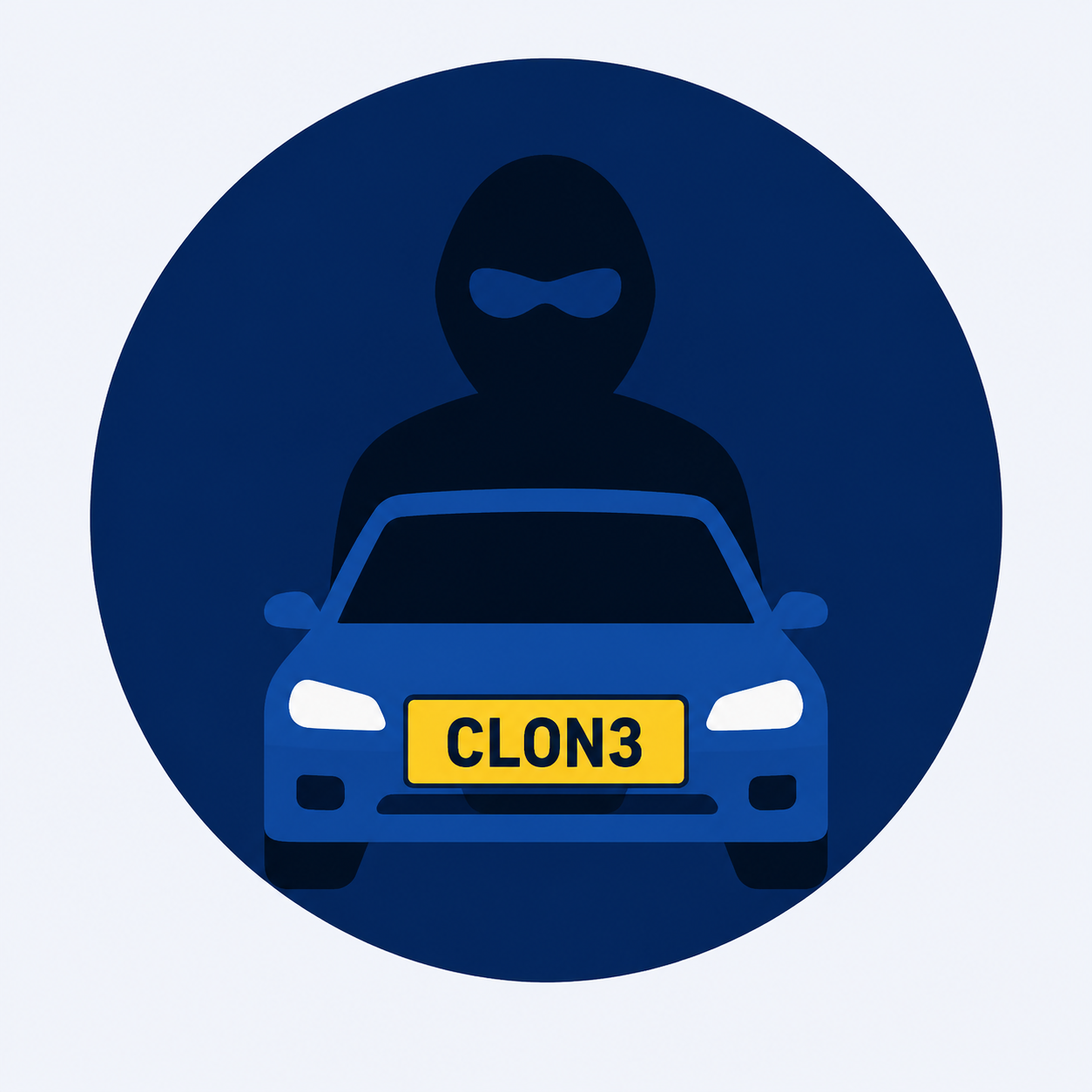
Another useful step is to register your vehicle with a service that monitors for duplicate plates. When a cloned plate appears on the system, the legitimate owner gets an alert. That early warning gives you time to report the clone to the police before the fines build up. It also means you have a timestamped record that can be shared with enforcement agencies to show that the plate was cloned after a certain date.
For anyone who sells a car privately, it is worth keeping a copy of the registration check you ran before the sale. If the new owner later clones the plate or uses it in a crime, your check can prove that you transferred the vehicle in good faith. It is a small administrative step that can save a lot of trouble later.
How Verification Fits Into the Bigger Picture
Vehicle registration verification is not a cure-all. Cloned plates will still appear, and criminals will find ways to bypass checks that rely on outdated data. But when verification is part of a wider approach that includes real-time alerts, driver vigilance, and cooperation with law enforcement, it becomes a strong deterrent. The more difficult it is to use a cloned plate without being detected, the less attractive the crime becomes.
This is where the idea of a verification network makes sense. Instead of each driver checking in isolation, a shared system can flag patterns that a single check would miss. If two vehicles with the same registration appear in different cities on the same day, the network can alert both the registered keeper and the relevant authorities. That kind of coordination is hard to achieve without a centralised service that is designed for real-time monitoring.
The vehicle registration verification Protect-A-Plate approach is built around that principle. It connects individual checks into a broader alert network so that a discrepancy spotted in one place can protect drivers everywhere. It does not replace official DVLA checks, but it adds a layer of continuous surveillance that static checks cannot provide.
Practical Steps to Take Today
If you own a vehicle, there are a few things you can do right now to reduce your risk. First, check your vehicle registration details against the DVLA database to make sure everything matches. Second, take clear photos of your number plates from the front and back, and store them somewhere safe. Third, consider signing up for a verification service that offers real-time alerts and periodic rechecks. Fourth, if you receive any unexpected penalties, challenge them immediately and mention the possibility of cloning. Fifth, tell other drivers about the risk. Many people still think number plate cloning only happens to expensive cars or commercial fleets, but it can affect any vehicle that shares a make, model and colour with another.

None of these steps are difficult, and most of them cost nothing. The hard part is remembering to do them before the problem arrives. Once a cloned plate has been used for a few weeks, unwinding the mess takes far more time and stress than the original check would have required.
Vehicle registration verification is one of those subjects that seems dry until you need it. But when a penalty notice lands on your doormat for a crime you did not commit, the value of having a verified record and an alert system becomes very clear. It is not about paranoia. It is about having a simple, repeatable process that protects your driving record and your peace of mind.
 Twitter
 Facebook
 Instagram